
OLT Enters 40th Year with New Leadership, Renewed Push for Conservation
By JOSHUA YOUNGQUIST
COOPERSTOWN
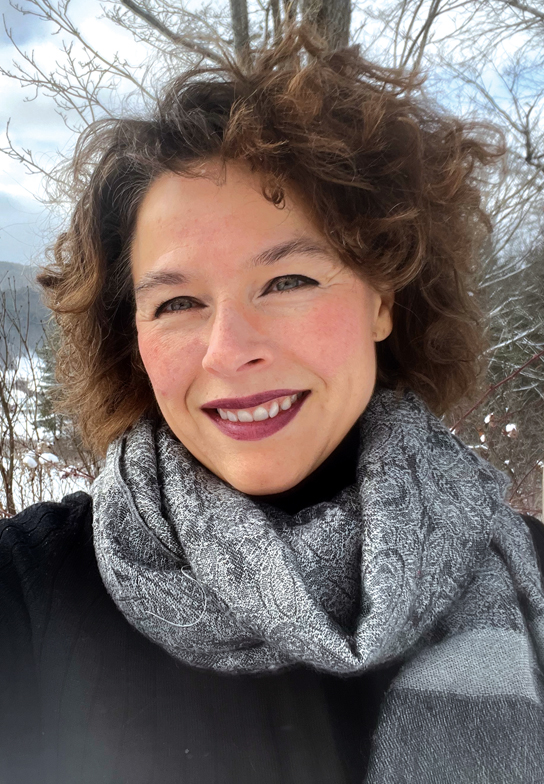
As Otsego Land Trust approaches its 40th anniversary, the organization is stepping into a new era of leadership and momentum. Executive Director Phoebe K. Schreiner, who formally joined OLT in January 2026, is guiding the organization at a moment when conservation interest is rising, development pressures are intensifying and the region faces environmental challenges not seen in decades.
Schreiner’s transition into the role began well before her official start date. She, former Executive Director Gregory Farmer, and Board Chair Rick O’Keefe began coordinating early to ensure continuity, followed by a week‑long handover with Farmer once she formally assumed the position. The preparation reflects the significance of the moment: OLT is entering its fourth decade with both a strong foundation and a growing list of urgent priorities.
Farmer, who began his tenure in November 2021, leaves behind a record of strengthened partnerships, expanded acreage under protection and improved organizational systems. Under his leadership, OLT saw a 14 percent increase in conservation easements and acres protected in perpetuity, a reflection of both community engagement and internal improvement in procedures, staffing structure, and financial systems. Schreiner notes that Farmer will be remembered for stabilizing the organization and expanding its reach deeper into the Upper Susquehanna region.
Farmer’s legacy also includes significant improvements at Brookwood Point, where northside enhancements resulted in wetlands restoration and a new dock for kayaking and boating. Farmer also helped place New York State’s 30×30 conservation agenda—which aims to conserve 30 percent of the state’s lands and waters by 2030—firmly on the local map, aligning statewide goals with regional priorities.
As OLT enters its 40th year, Schreiner says the organization’s work is more critical than ever. Despite decades of progress—including more than 13,000 acres protected and new nature preserves that expand public access—the region is confronting unprecedented development proposals, declining farmland, and increasing environmental stress.
“Active farmland is in steady decline, with 80,000 acres lost in Otsego County alone over 30 years,” Schreiner noted, citing the U.S. Agricultural Census.
Harmful algal blooms are appearing more frequently, and large‑scale development proposals threaten drinking water and public systems. Yet Schreiner sees a silver lining: Conservation interest is surging. OLT currently has 25 conservation easements in process, one of the highest levels in the organization’s history.
Today, OLT and its partners have protected 6 percent of the region’s lands, forests, waterways, and farms. To meet New York’s 30×30 goal, Schreiner says, “more work is before us—and there is no time to wait.”
Conservation easements can take one to three years to complete, and acquiring new nature preserve properties can take two to five years. These lengthy processes are often slowed by transaction costs that can reach $30,000.00. But Schreiner says OLT has identified solutions to accelerate progress. Last year, the organization completed its second‑highest number of easements since its founding, a success she attributes partly to matching funds from community gifts and new grant sources. These funds help landowners cover transaction costs and allow OLT to “ramp up land protection efforts at an all‑new level.”
Community members will have an opportunity to support this work during Mohawk Valley Gives on September 18, an annual campaign that helps fund conservation initiatives. OLT is also encouraging supporters to join the Acorn Society, a planned‑giving program that allows donors to include OLT in their wills through legacy gifts such as estate percentages, real estate, appreciated assets, retirement funds or life insurance. These gifts help sustain long‑term stewardship of protected lands.
Since beginning her tenure, Schreiner has launched a comprehensive listening tour with stakeholders including landowners, partner organizations, donors, foundations, and current and former board members. OLT has also conducted landowner and donor surveys, receiving strong participation. A spring meet‑and‑greet drew nearly 30 attendees, and OLT expects 100-150 guests at its annual landowner and donor event in September.
Across these conversations, Schreiner says one message is clear: The community is deeply committed to conservation and eager to take action. Landowners are encouraging neighbors to pursue easements, seeking more educational opportunities, supporting farmland preservation and even purchasing adjacent properties to prevent development.
“The future of conservation lies in leveraging and harnessing community energy, commitment, and action,” Schreiner said. “Together as a united front, we will create the change we want to see.”
Looking ahead, Schreiner plans to double OLT’s efforts in farmland protection, which she calls “one of New York’s most threatened assets.”
While development pressure is a concern, she says the greater threat is the economics of food production, including consolidation and rising input costs. Through New York State’s Farmland Protection Implementation Grant program, OLT can help farmers secure funding to purchase development rights, reinvest in their operations, modernize infrastructure and protect their farms for future generations.
As OLT enters its 40th year, Schreiner says the organization’s mission remains clear: protect land, support communities and ensure the region’s natural resources endure for generations to come.