
Otsego Explained: Anticipating Aging and Senior Support
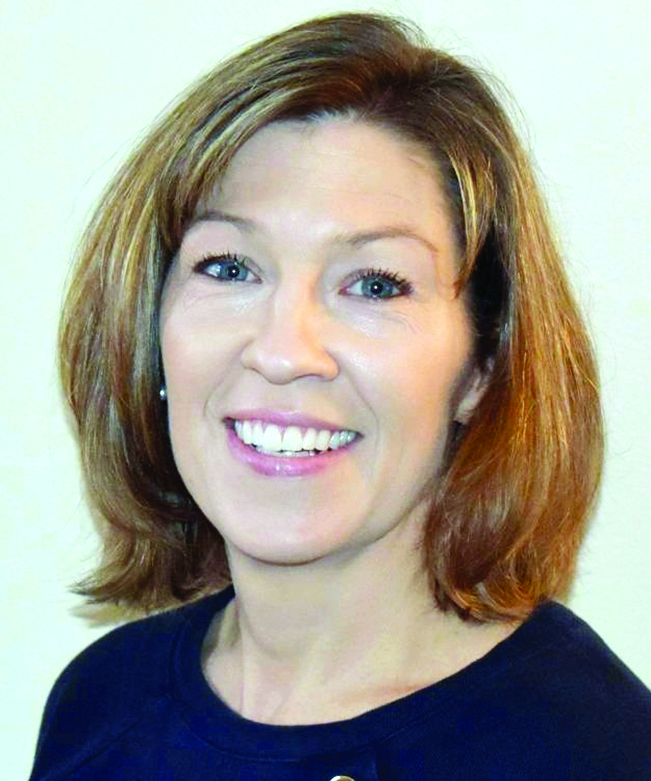
(Photo provided)
By BILL BELLEN
OTSEGO COUNTY
Aging can be, and often is, a beautiful thing. But what happens when the passage of time starts to wear on our wallets, bodies and minds? In this installment of “Otsego Explained,” AllOtsego welcomes—and likely introduces—you to the Otsego County Office for the Aging, a department designed to ensure that the residents of this county can age with grace.
What is the Office for the Aging?
Spawned from the federal Older Americans Act of 1965, the OFA is defined as an “Area Agency on Aging.” This nationwide network of 661 area agencies is tasked with assisting those aged 60 and older access services that promote their continued independence, preserving their health and staving off institutionalization—one of the most costly forms of care available.
Following its creation on February 20, 1974, the Otsego County OFA began offering information and transportation assistance while opening its first meal-center and kitchen in Nader Towers Senior Housing. Over the next decade and a half, services gradually expanded, culminating in the opening of the Meadows Central Kitchen Facility in 1990 to accommodate new demand from SNAP. An office upgrade in Nader Towers allowed the department to split its services into a north and south office in 1998, ensuring local community needs could be better reflected. Today, the department is based out of an office in the county’s Meadows complex on County Highway 33W and a satellite location at 242 Main Street in Oneonta.
Following years of waning participation and the increased demand for home-delivered meals spurred by the COVID-19 pandemic, many established OFA congregate dining sites were closed. Since 2021, the OFA has organized a modernized partnership program with various local restaurants that now provide congregate dining experiences with greater food choices and meal time options.
What Does It Take To Operate the OFA?
Day-to-day operations of the OFA consist of a vast array of services. Case managers go into the homes of older adults to determine what services best fit their circumstances. Frozen meals are driven across the county to individuals unable to accessibly leave their homes. Meanwhile, the Central Kitchen provides hot meals for the three traditional congregate dining sites that remain in Oneonta, Cherry Valley and Richfield Springs.
Tamie Reed, director of the OFA, spoke proudly of the services her department contributes to the county while aiming to clear up misconceptions around their accessibility.
“There’s no cost to any of the services that we provide, and there’s also no income limits on that,” Reed noted. She clarified that the OFA does “ask for contributions to help support, because at the end of the day, we still have limited funding and we have to make sure that funding is really serving those who need it the most.”
OFA staff also provide transportation for those otherwise unable to access it, acting as a lifeline between seniors in need and their medical appointments, pharmacies, and grocery stores. Outside of direct support, the OFA assists people in contacting legal aid services that may be needed to write a will or set up a power of attorney. In addition, the office aids retirees and those over the age of 65 with Medicare counseling, explaining the program to newcomers.
How Does the Work Get Done?
From finding care to supplying necessities like food, the employees of the OFA cover a wide spectrum of assistance for the elderly of Otsego County. Christy Harasimowicz, a caseworker at the OFA, spoke about her experience on the job.
“I have been able to provide older adults with tangible services, enabling them to continue doing what they love,” Harasimowicz said. “I am also grateful for the knowledge and skills I have developed during my time as a caseworker, because the issues and topics I address with older adults are often applicable to friends, relatives, peers, and my own life.”
On top of their intended services, OFA staff play a crucial role in offering impromptu wellness checks to the seniors they aid.
“I think the most important thing about our home deliver[y] meal program is it’s giving them a well check,” Reed shared. “It’s somebody that’s checking in on them. It’s this same consistent driver that they’re used to seeing. So there’s that relationship building.”
Reed emphasized the individuality of each situation and how isolation and lacking family or community support can be a large hurdle for many seniors. She said frequent deliveries allow OFA staff to become familiar with the seniors they service, making it easier to pick up on subtle differences week-to-week that could indicate a person may need additional care.
Building this interpersonal connection is something Reed and her fellow department members aim to facilitate throughout their meal programs. Of the people who utilize the OFA’s congregate dining options, Reed estimated that upwards of 85 percent do so as an opportunity to socialize. These meals, combined with various community events hosted by the department, aim to combat increased senior isolation with bonding and banter.
What Does All This Cost?
In Otsego County’s adopted budget for 2026, the OFA was budgeted $2,298,046.00—an increase from $1,934,880.00 in 2025. Even with this allocation, department operations can run on thin margins. Reed shared that her department was roughly 30 percent federally funded 10 years ago, a contribution that has since dropped to around 20 percent. She also cited fiscal concerns within the county government for the scaling back of local funds.
“We do rely heavily on a lot of state dollars,” Reed said. “As county and federal dollars have decreased, the state has increased…When you look at the number of people over the age of 60 and how that’s continuing to increase, it absolutely is not keeping pace.”
Despite these concerns, Reed and her staff continue to find ways to support their work. The department has an advisory council of community residents 60 or older. This body helps to ensure the OFA’s budget is spent in a way that meets the office’s goals and the needs of the county’s elderly.
The OFA has roughly $250,000.00 that—in tandem with Otsego Rural Housing Assistance—is accessible to older homeowners who are seeking to make accessible modifications to their home but do not have the funds to do so themselves. The OFA also provides assistance to those who can afford these improvements, pointing them in the right direction to help people stay in their homes as long as possible. Avoiding the need for a nursing home is the ultimate goal, which Reed said saves the county thousands of dollars per individual each year.
How Is OFA Holding Up?
In order to maintain goals and programs that reflect community needs, the OFA hosts an annual public hearing, during which they showcase their aims for the year and the services they offer. This is compounded by a community needs assessment that is conducted every four years, a survey that is physically sent out to relevant county residents to gauge changes within the senior population.
On the operational end, OFA staff continue to do their duty serving the people who need them most. Otsego County resident Christopher Banner shared his experience with the OFA and his admiration for his caseworker.
“I was scammed heavily. I lost everything,” Banner recounted, adding that his caseworker helped him gain access to Medicaid and SNAP benefits.
When asked about his relationship with his caseworker and the bond built between them, Banner said, “She’s been so compassionate and so helpful in every way that she can…I’ve only got good things to say about her.”
Harasimowicz shared a similar degree of fondness for the caseworker side of affairs.
“I do not have to worry about monotony because no day in the office is exactly the same,” Harasimowicz remarked. “Our office does a great job of seeing the people we help as just that—people…Empathy, honesty and a little bit of humor go a long way to building a positive relationship with the people we serve.”
Moving Forward
Despite persisting concerns regarding funding and workforce headcount, the Otsego County Office for the Aging continues to be dedicated to enriching the lives of the county’s seniors. Laid out in the Otsego County 2026 Strategic Plan are five priority outcomes the OFA has for the year ahead. These goals reflect the differing needs of individuals in the county—from sustaining services to help residents “age in place” and avoid nursing homes, to increasing the transportation capacity for immobile residents by 15 percent.
Arguably the most important among these outcomes is the drive to increase public visibility and awareness of the OFA itself.
“We’ve been around for over 50 years providing services and yet most people don’t even know we exist,” Reed stated.
Reed continued, saying seniors and their caregivers often do not think to reach out to the office until they are in crisis, making managing the problem much more challenging. She spoke to the value of preemptive efforts to prevent these potential crises, such as utilizing the housing modification fund and familiarizing people with the area agency network at a younger age.
Ultimately, Reed said the largest obstacle facing this effort is a persistent stigma against aging—something she and her staff hope to change.
“We have people at our events that walk by [and say,] ‘Oh, I don’t need you yet.’ And they’re in their 70s, right? So there’s just this real stigma associated with aging and, unfortunately, the worst thing you can do is bury your head in the sand.”
Reed said she hopes earlier education on aging, even perhaps within the school system, may shift public perception toward one of acceptance and preparedness rather than defensive self-reliance. To promote this new lens, the OFA is continuing to expand its outreach, partnering with doctors and hosting events at local libraries in order to ensure people are aware of what it has to offer.
When asked for a final comment, Reed said, “Call us sooner. Don’t be afraid to reach out.”
The OFA’s next major event is its annual senior picnic at Glimmerglass State Park, featuring a vendor fair, music, bingo and more. The picnic is scheduled for September 9, with a reservation and $9.00 admission payment required by Wednesday, August 26. More information is available on the Otsego County OFA Facebook page, or by calling the office at (607) 547-4232.