Local Titanic Memorial Now Restored
By KERRY LYNCH
COOPERSTOWN
The sinking of the Titanic is perhaps the most famous shipwreck in history, and the tragedy has a Cooperstown connection.
When the ship sailed on its maiden voyage, the passengers included Arthur Ryerson and his family, who spent their summers at an elegant home on the north end of Otsego Lake.
And when the “unsinkable” Titanic hit an iceberg and sank on April 15, 1912, Arthur Ryerson refused a seat on a lifeboat so that women and children could be rescued. He went down with the ship. His wife and children survived.
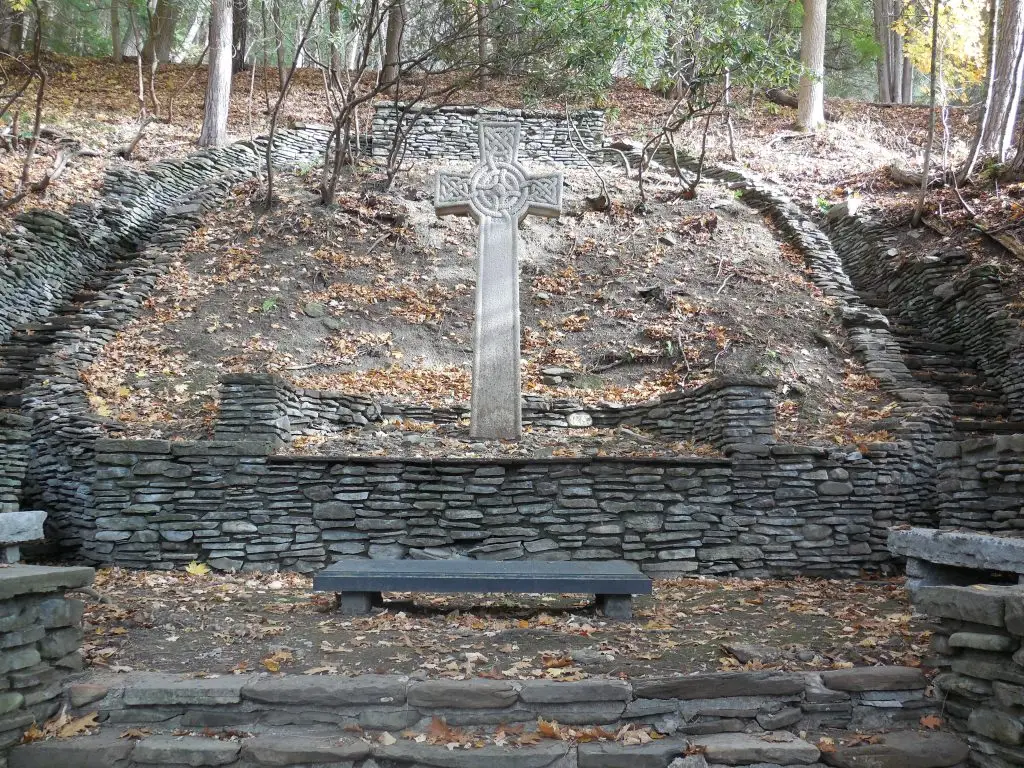
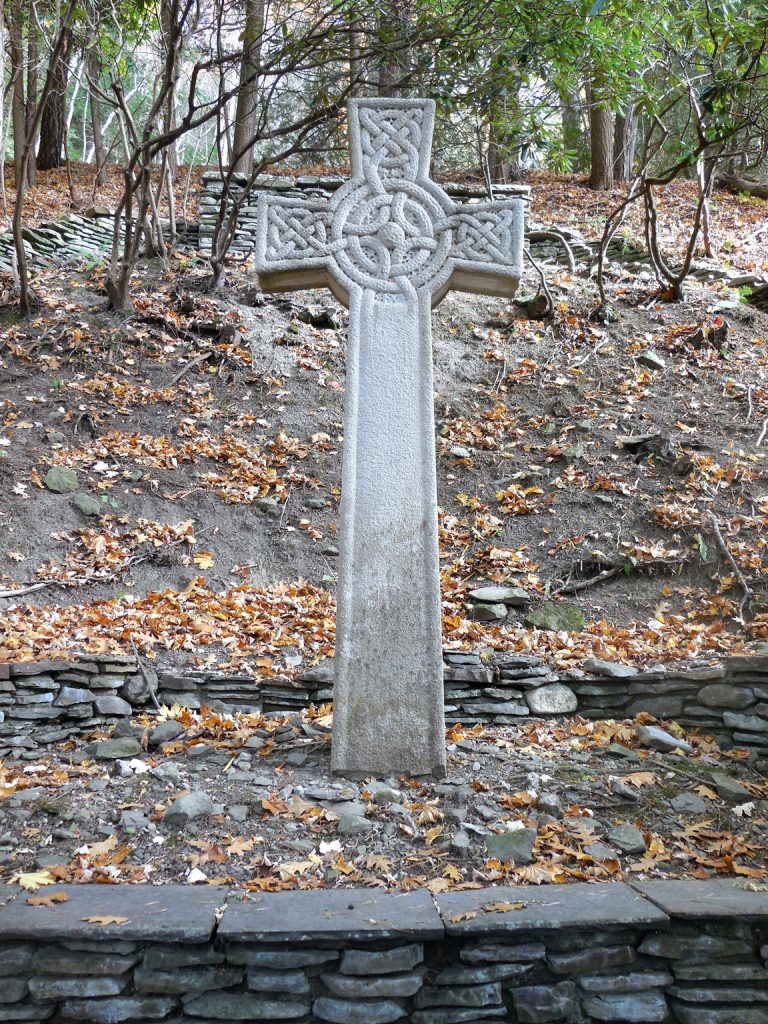
Soon after, the family built a memorial to Arthur Ryerson in Lakewood Cemetery, just outside the village limits. The four survivors are also buried there.
It is Lakewood’s most frequently visited lot. Two years ago, a visitor attempted to wipe lichen off several gravestones to read the inscriptions but created a smeared mess.
Now, thanks to a generous grant from the Community Foundation of Otsego County and its Cemetery Restoration Fund, plus other donations, the memorial has been cleaned and stonework has been repaired.
The Ryersons’ Titanic story began a week before the ship hit the iceberg. Arthur Ryerson and his wife, Emily, were traveling in Europe with three of their children when they were dealt the hardest blow a parent can face—their son, Arthur Jr., had been killed in a car accident near Philadelphia.
They rushed home for his funeral, booking passage on the first steamship available, the RMS Titanic.
After the ship hit the iceberg, Arthur stayed aboard while his family and their governess, Grace Bowen, boarded a lifeboat and were rescued by another ship, the Carpathia.
Days later, the U.S. Senate conducted an inquiry into the disaster and interviewed survivors. Here are excerpts from Emily Ryerson’s testimony:
“At the time of collision I was awake and heard the engines stop, but felt no jar. My husband was asleep, so I rang and asked the steward, Bishop, what was the matter. He said, ‘There is talk of an iceberg, ma’am, and they have stopped, not to run into it.’ I told him to keep me informed if there were any orders.
“It was bitterly cold, so I put on a warm wrapper and looked out the window (we were in the large cabins on the B deck, very far aft) and saw the stars shining and a calm sea, but heard no noise. It was 12 o’clock.
“After about 10 minutes I went out in the corridor, and saw far off people hurrying on deck. A passenger ran by and called out, ‘Put on your lifebelts and come up on the boat deck.’
“My chief thought and that of everyone else was, I know, not to make a fuss and to do as we were told. My husband joked with some of the women he knew, and I heard him say, ‘Don’t you hear the band playing?’
“I begged him to let me stay with him, but he said, ‘You must obey orders. When they say, ‘Women and children to the boats’ you must go when your turn comes.’
“All this time we could hear the rockets going up—signals of distress. Again, we were ordered down to A deck, which was partly enclosed. We saw people getting into boats, but waited our turn. There was a rough sort of steps constructed to get up to the window.
“My boy, Jack, was with me. An officer at the window said, ‘That boy can’t go.’ My husband stepped forward and said, ‘Of course, that boy goes with his mother; he is only 13.’ So they let him pass. They also said, ‘No more boys.’
“I turned and kissed my husband, and as we left he and the other men I knew…were all standing there together very quietly. The decks were lighted, and as you went through the window it was as if you stepped out into the dark. We were flung into the boats.
“After the Titanic sank we saw no lights…Then, when the sun rose we saw the Carpathia standing up about 5 miles away, and for the first time saw the icebergs all around us. The Carpathia steamed toward us until it was full daylight; then she stopped and began picking up boats…The kindness and the efficiency of all the arrangements on the Carpathia for our comfort can never be too highly praised.”
In contrast to this detailed account, an epitaph is necessarily short. Arthur Ryerson’s memorial distills the disaster of that night into a few powerful words. It says he was lost on the Titanic “giving his life for others.”
Emily Ryerson’s full testimony can be found at https://www.titanicinquiry.org/USInq/AmInq16Ryerson01.php
Kerry Lynch is secretary and treasurer of the Lakewood Cemetery Association.