
County DOH Stresses Bat Safety Precautions
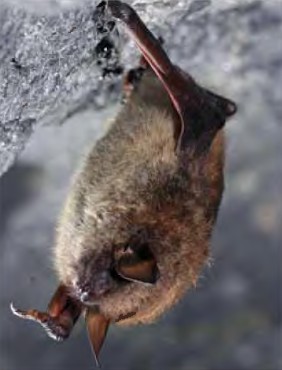
(Photo courtesy of NYSDEC)
OTSEGO COUNTY—The Otsego County Department of Health is reminding residents that knowing how to safely handle a bat following a possible exposure can help protect both public health and local wildlife while preventing unnecessary rabies treatment.
Each year, the department authorizes rabies post-exposure prophylaxis for individuals who may have been exposed to rabies through contact with a bat. In many cases, those treatments can be avoided if the bat is safely captured and tested for rabies.
Safely capturing a bat allows health officials to determine whether rabies is present. If the bat tests negative, people who may have been exposed can often avoid the series of rabies vaccinations, saving time, expense and unnecessary medical treatment.
Health officials emphasize that residents should not panic if a bat enters their home. Bats play an important role in the environment by helping control insect populations and are generally not aggressive toward people. Residents should never attempt to kill or injure a bat, officials advised. Instead, if there has been no contact with a person or pet, the bat can often be gently guided outside through an open door or window using a broom or similar household item.
Residents should safely capture the bat for rabies testing when:
- A person or pet has had any physical contact with the bat, even if the contact appears minor, such as the bat brushing against someone, flying into them or being stepped on.
- A bat is discovered in a bedroom after someone wakes up, as bat bites can be so small they may not wake a sleeping person.
- A bat is found in a room with someone who may not be able to determine whether contact occurred, including a young child, an intoxicated person or someone with a cognitive impairment.
If any of these situations occur, residents should safely contain the bat using a small container, such as a plastic container or shoebox, without touching it directly, officials said. The bat can then be submitted for rabies testing. If testing confirms the bat is free of rabies, unnecessary post-exposure treatment can often be avoided.
The OCDOH also encourages homeowners to “bat-proof” their homes by sealing small openings around roofs, chimneys, eaves and other entry points to reduce the likelihood of bats entering living spaces.
If there has been no contact with a person or pet and none of the exposure situations apply, the bat can typically be released safely back outdoors. Residents who are unsure whether a bat should be captured or released are encouraged to contact the OCDOH before releasing the animal. According to a press release, staff members are available to help determine the safest course of action, and a trained public health professional is on call after hours to answer urgent rabies exposure questions.
Health officials stress that when it comes to potential rabies exposure, it is always best to err on the side of caution. Anyone with questions about a bat encounter should contact the OCDH for guidance before taking action.
The department’s regular hours are Monday through Friday, 8:30 a.m. to 4:30 p.m., with summer hours of 9 a.m. to 4 p.m. in July and August. The main line is (607) 547‑4230, and the after‑hours rabies line is (607) 547‑1697. Residents can also view an instructional video on how to safely capture a bat at https://www.youtube.com/watch?v=NNw6hkFEtOk.